


Description
- Unitree G1 EDU Plus (U2) Humanoid Robot
- 29 degrees of freedom with expanded waist and arm mobility
- NVIDIA Jetson Orin NX onboard compute at 100 TOPS
- 3D LiDAR and Intel RealSense depth camera for spatial sensing
- Quick-release battery delivers about 2 hours of runtime
- Secondary development support with open SDK access included
- Bipedal humanoid platform built for dynamic balance and mobility
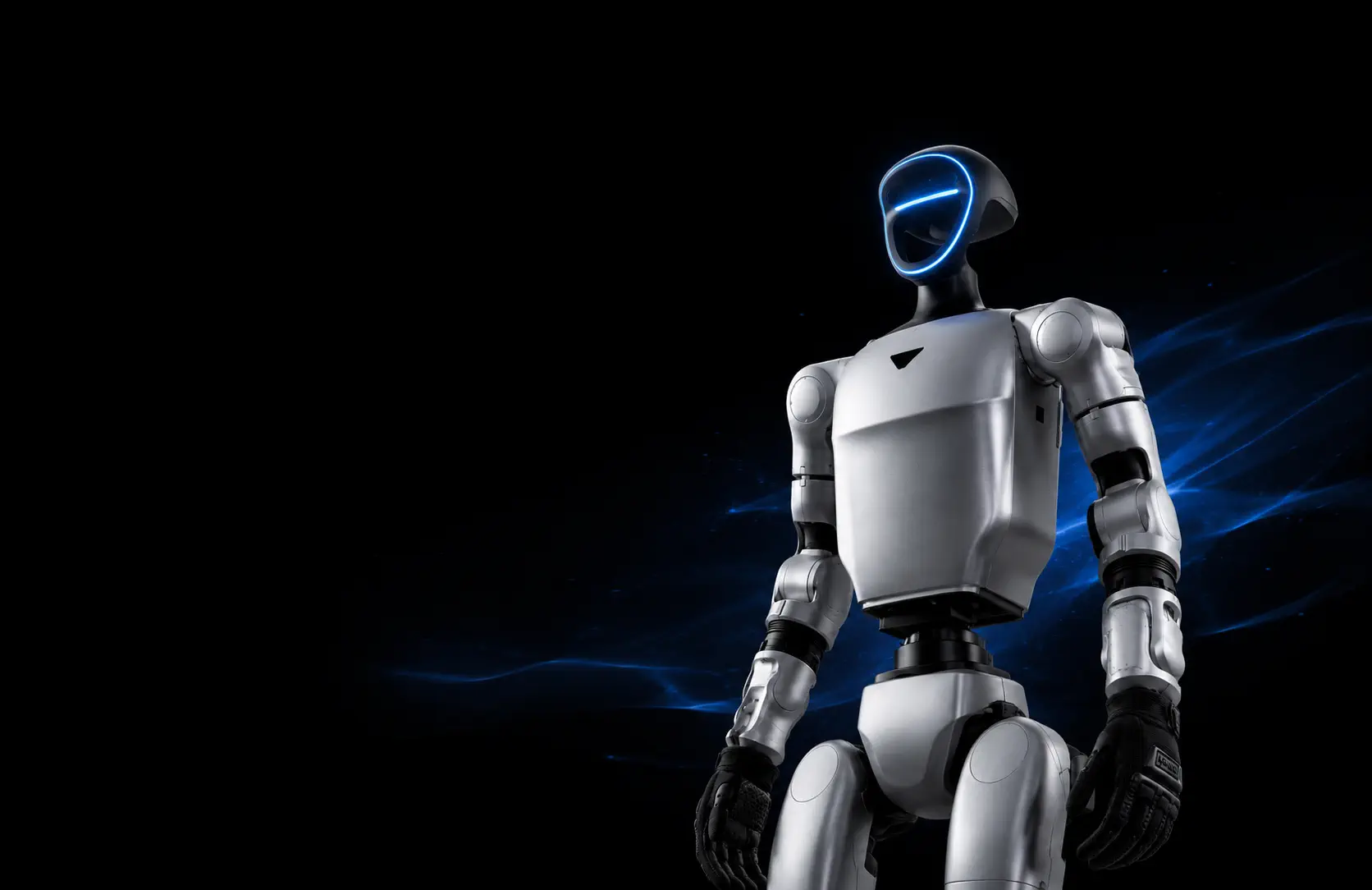
The Unitree G1 EDU Plus (U2) Humanoid Robot is a bipedal humanoid platform engineered by Unitree Robotics for embodied AI research and development. It combines full-body actuation with onboard computing and sensing to walk, balance, and interact within human-centered spaces. As the Plus tier within the G1 EDU lineup, this configuration adds extra waist and arm mobility beyond the entry EDU model, giving developers a wider range of motion to work with while retaining the same open development access across the series. The result is a versatile research companion suited to university labs, robotics startups, and technical demonstration environments where hands-on experimentation with humanoid hardware is the goal.
Onboard sensing lets the robot continuously read its surroundings, tracking nearby people and obstacles so it can adjust its movements in real time. A built-in voice interface supports natural two-way interaction, letting it listen and respond during collaborative tasks. Between sessions, its swappable battery keeps downtime short so testing can continue with minimal interruption. Because it exposes secondary development access alongside compatible open-source tooling, engineering teams can write custom control software, integrate it into existing robotics workflows, and move policies from simulation onto the physical robot. This combination of flexible deployment and open ecosystem support makes it well suited to research institutions, educational programs, and robotics developers building toward more advanced embodied AI applications.

Full manufacturer-backed warranty coverage and dedicated product support

Complete end-to-end logistics management, including customs clearance

All pre-sales and post-sales support handled by our dedicated team

Full access to detailed technical guides and a comprehensive knowledge base
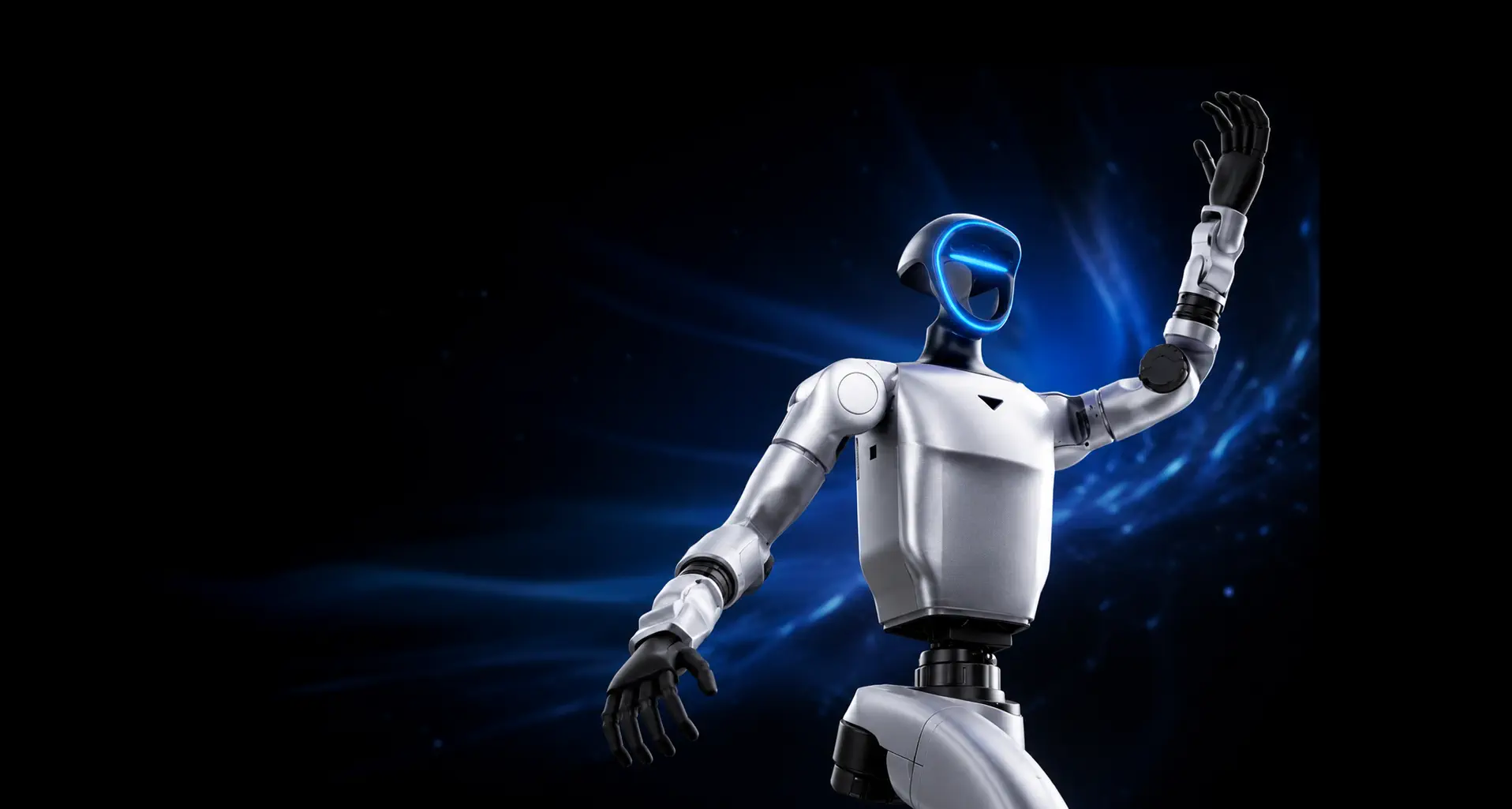
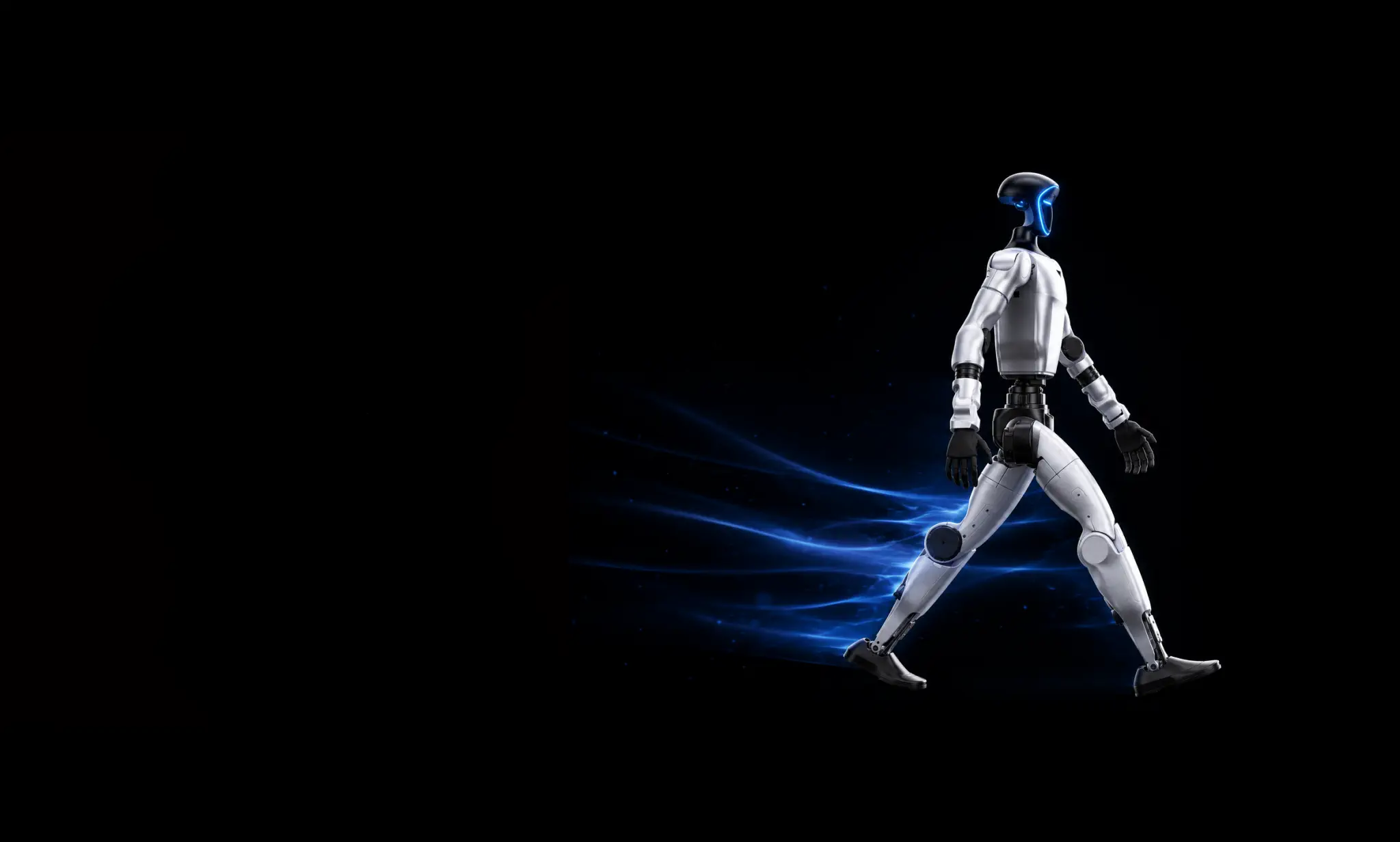
Beyond its mechanical hardware, the platform layers on software and interaction capabilities that support open development.

Depth and LiDAR sensing continuously scan for obstacles, people, and terrain around the robot. This live sensor data feeds the AI stack for more context-aware behavior.

Secondary development access lets engineering teams write custom control code and test behaviors in simulation before moving to hardware. Companion repositories support the full pipeline from training through sim-to-real transfer.

Voice and audio feedback let the robot listen and respond during shared tasks. Combined with its expressive movement, this supports comfortable operation alongside people.

Gigabit Ethernet and USB interfaces make it straightforward to attach custom payloads, cameras, or compute modules. Continuous over-the-air updates keep the software stack current over time.
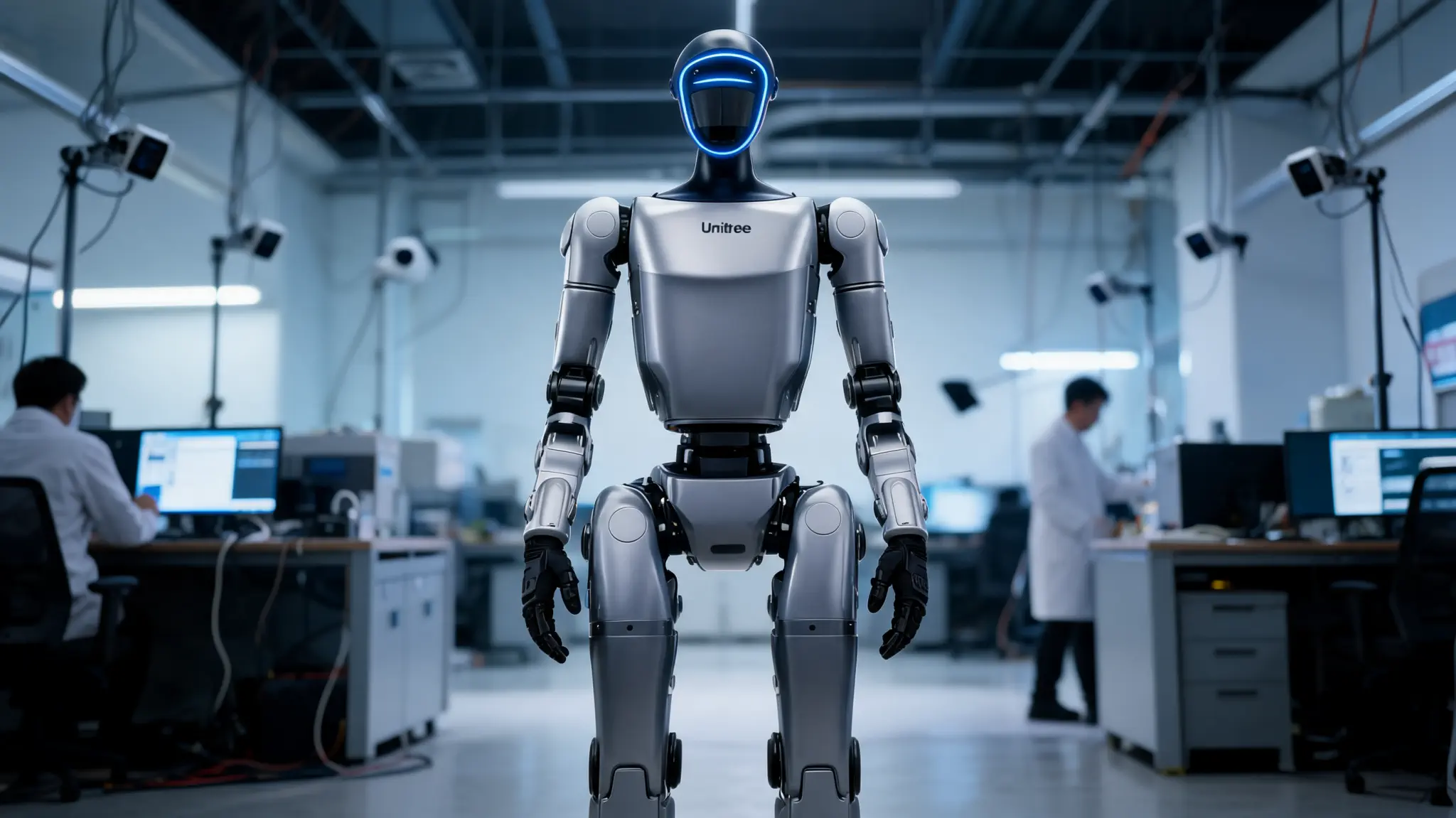

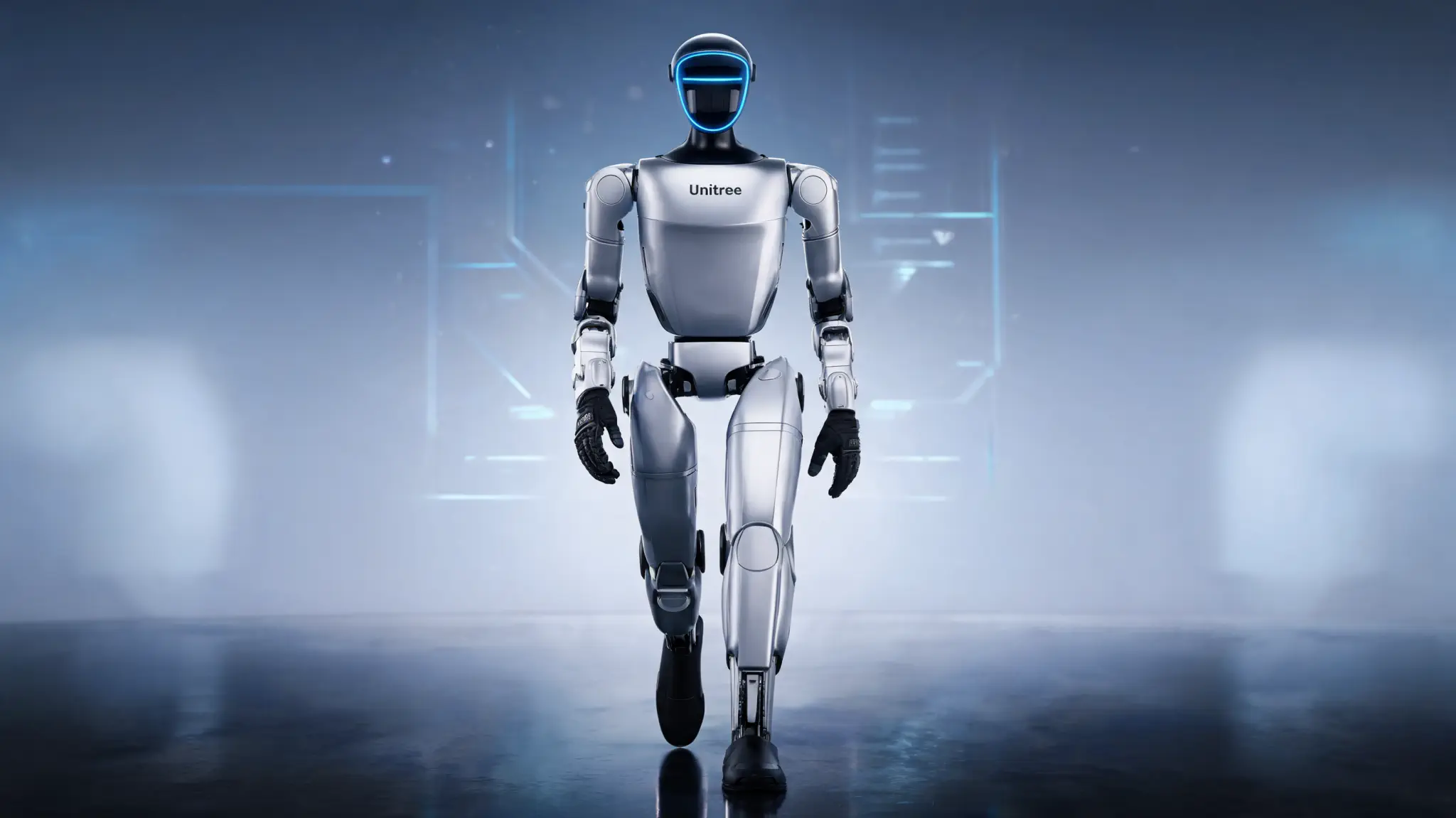
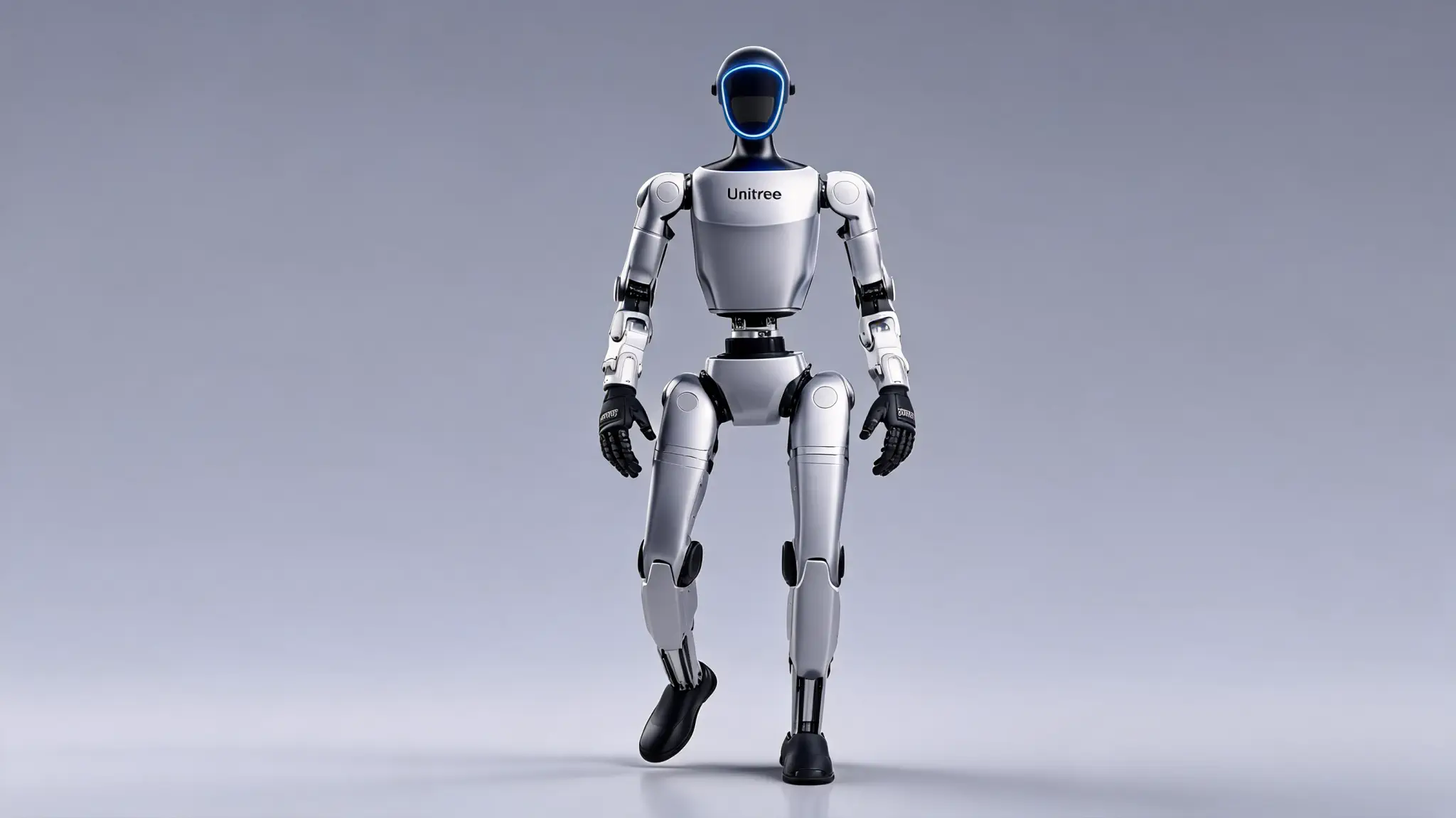
| • | Unitree G1 EDU Plus (U2) Humanoid Robot (29 DOF, Fixed Non-Dexterous Hands) |
| • | G1 Two-Handed Remote Controller |
| • | G1 Smart Battery (9000mAh, Quick Release) |
| • | G1 Battery Charger (54V 5A Output) |
| • | Unitree Universal Debugging & Protection Gantry |
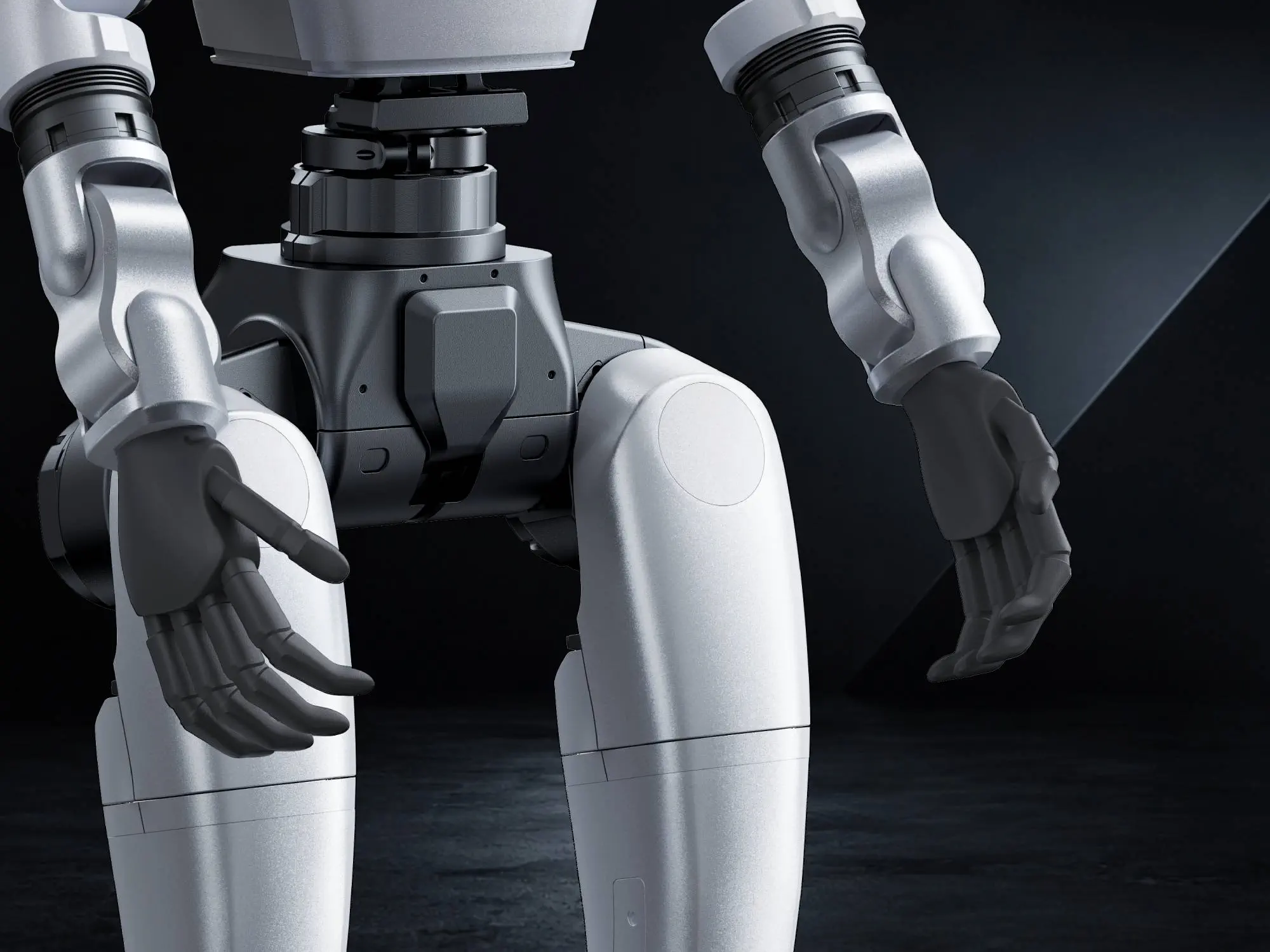
| • | 1320 x 450 x 200 mm |
| • | 690 x 450 x 300 mm |
| • | About 35 kg+ |
| • | 0.6 m |
| • | About 0.45 m |
Values shown are from the manufacturer's reference.
| • | 29 Degrees of Freedom |
| • | NVIDIA Jetson Orin NX, 100 TOPS |
| • | Secondary development supported (SDK access) |
| • | Fixed non-dexterous hands |
| G1 EDU U2 | G1 Basic | |
| Height, Width and Thickness (Stand) | 1320 x 450 x 200 mm | 1320 x 450 x 200 mm |
| Height, Width and Thickness (Fold) | 690 x 450 x 300 mm | 690 x 450 x 300 mm |
| Weight (With Battery) | About 35 kg+ | About 35 kg |
| Calf + Thigh Length | 0.6 m | 0.6 m |
| Arm Span | About 0.45 m | About 0.45 m |
| Total Degrees of Freedom | 29 | 23 |
| Single Leg DOF | 6 | 6 |
| Single Arm DOF | 5 | 5 |
| Waist DOF | 3 | 1 |
| Dexterous Hand | Not available at this tier | Not available |
| Maximum Torque of Knee Joint | 120 N.m | 90 N.m |
| Arm Maximum Load | About 3 kg | About 2 kg |
| Joint Output Bearing | Industrial grade crossed roller bearings | Industrial grade crossed roller bearings |
| Joint Motor | Low inertia high-speed internal rotor PMSM | Low inertia high-speed internal rotor PMSM |
| Full Joint Hollow Electrical Routing | Yes | Yes |
| Joint Encoder | Dual encoder | Dual encoder |
| Cooling System | Local air cooling | Local air cooling |
| Power Supply | 13-string lithium battery | 13-string lithium battery |
| Basic Computing Power | 8-core high-performance CPU | 8-core high-performance CPU |
| Sensing Sensor | Depth camera + 3D LiDAR | Depth camera + 3D LiDAR |
| LiDAR | Livox MID-360, 360 degree horizontal FOV, 59 degree vertical range | Livox MID-360, 360 degree horizontal FOV, 59 degree vertical range |
| Depth Camera Model | Intel RealSense D435i, RGB-D vision | Intel RealSense D435i, RGB-D vision |
| Microphone Array | 4-microphone array | 4-microphone array |
| Speaker | 5 W speaker | 5 W speaker |
| Wireless Connectivity | WiFi 6, Bluetooth 5.2 | WiFi 6, Bluetooth 5.2 |
| High Computing Module | NVIDIA Jetson Orin NX, 100 TOPS | Not available |
| Development Computing Unit CPU | 8-core Arm Cortex-A78AE @ 2 GHz | N/A |
| Development Computing Unit Memory | 16 GB RAM | N/A |
| Development Computing Unit Storage | 2 TB | N/A |
| Development Computing Unit GPU | 1024 NVIDIA Ampere cores | N/A |
| Power Output Interfaces | 58V/5A (battery), 24V/5A, 12V/5A via XT30UPB-F connectors | 58V/5A (battery), 24V/5A, 12V/5A via XT30UPB-F connectors |
| Network / USB Interfaces | Two gigabit Ethernet ports, multiple USB 3.0/3.2 Type-C ports | Two gigabit Ethernet ports, multiple USB 3.0/3.2 Type-C ports |
| Smart Battery | 9000 mAh, quick release | 9000 mAh, quick release |
| Charger | 54V 5A | 54V 5A |
| Manual Controller | Included | Included |
| Battery Life | About 2 hours | About 2 hours |
| OTA Software Updates | Yes | Yes |
| Secondary Development (SDK Access) | Supported | Not supported |