


Description
- Dobot Rover X1 Explorer Sentinel Quadruped Robot
- Full SLAM navigation with integrated LiDAR for autonomous mapping and path planning
- Dual built-in depth cameras plus Intel RealSense D435i for comprehensive three-dimensional environmental awareness
- 40 TOPS Orin Nano onboard AI compute powers real-time perception and autonomy tasks
- Enhanced Camera + LiDAR SDK for sensor fusion, inspection algorithm development, and navigation research
- Inverted knee joint architecture enables stair climbing and agile performance across complex terrain
- Extended 8000 mAh battery delivers approximately 2.5 hours of continuous runtime
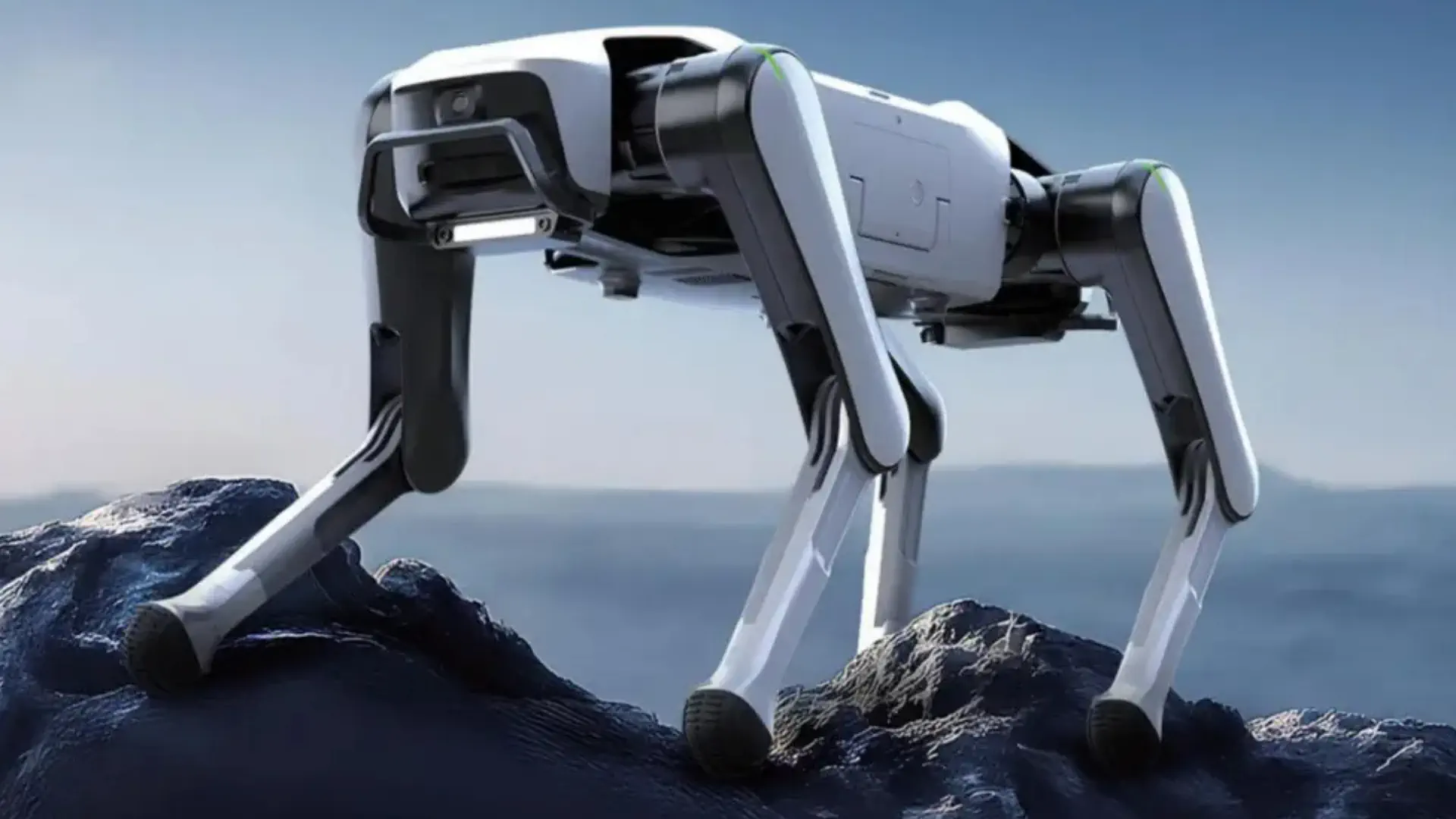
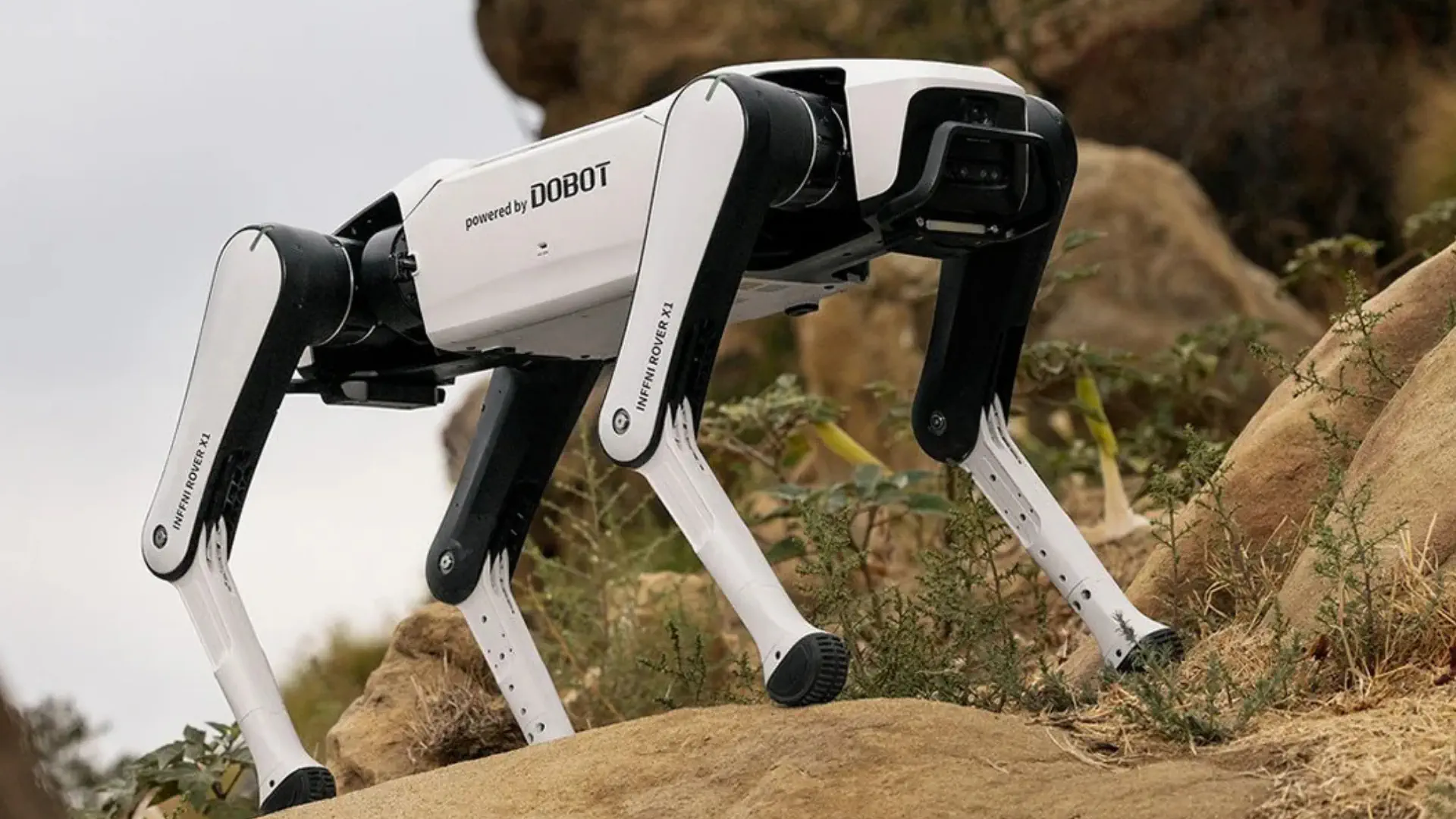
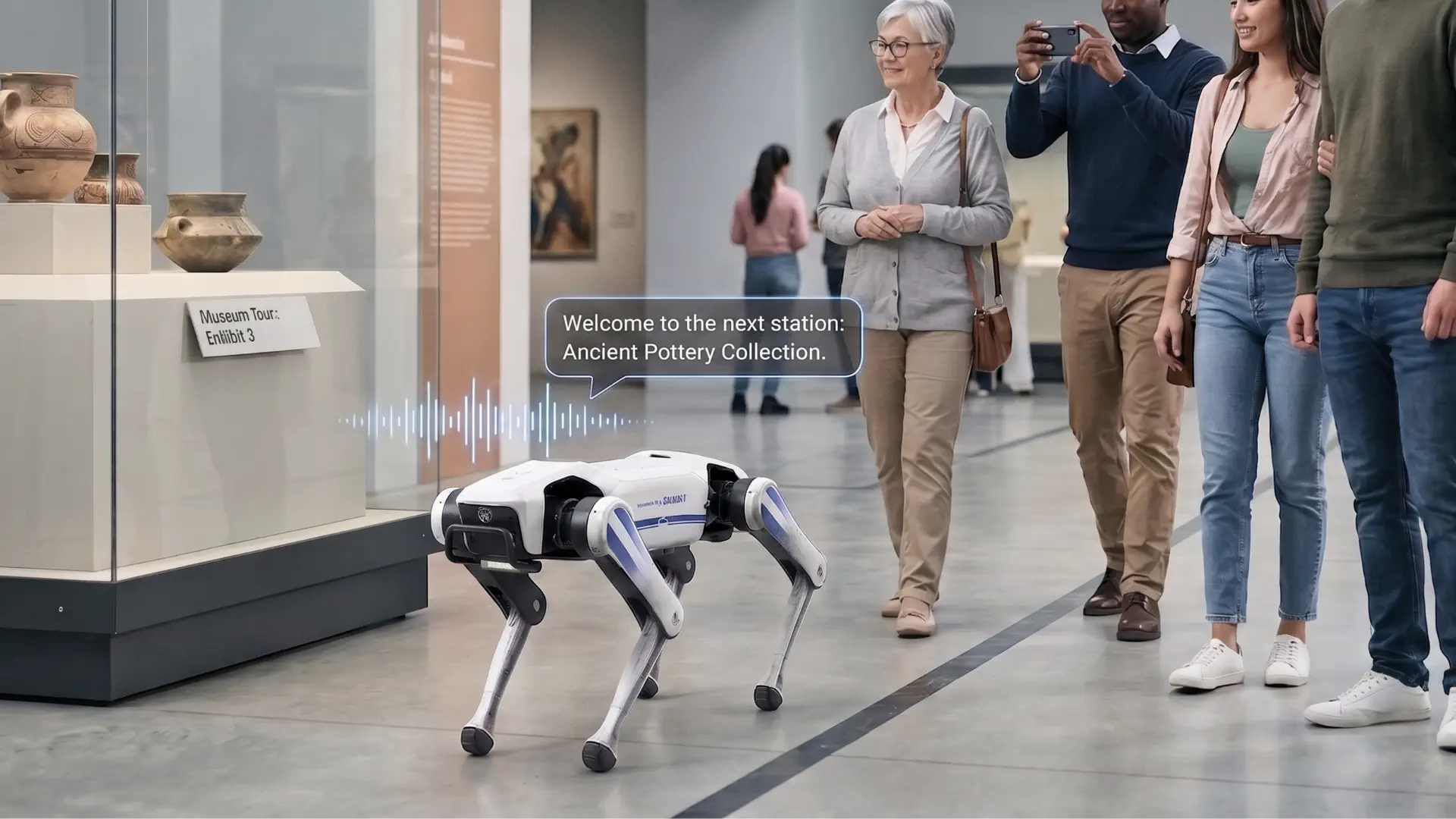
Dobot Rover X1 Explorer Sentinel Quadruped Robot is the most capable configuration in the Explorer lineup, developed by DOBOT Robotics for institutions and research teams that require full autonomous navigation alongside a comprehensive onboard sensor suite. Beyond the depth cameras and Intel RealSense D435i carried over from the Vision tier, the Sentinel adds an integrated LiDAR unit and SLAM navigation support, enabling the platform to build real-time maps of its environment and plan paths without external infrastructure. A 40 TOPS Orin Nano compute module handles the demanding inference workloads that simultaneous localization, mapping, and multi-sensor fusion require, while the same inverted knee joint architecture handles terrain from flat floors to 30 to 35-degree inclines and obstacles up to 16 cm tall. This combination positions the Sentinel as a self-sufficient field platform for autonomous inspection, campus patrol, and applied navigation research.
The Sentinel ships with an Enhanced Camera + LiDAR SDK that provides unified access to the full sensor stack, including visual, depth, and LiDAR data streams, making it straightforward to develop and validate sensor fusion and autonomous navigation algorithms directly on hardware. Dual-language AI voice interaction, Wi-Fi and 4G connectivity, and OTA update support sustain long-term deployment across connected campus and laboratory environments. The open development ecosystem built around C++ and Python SDKs and the Isaac Gym simulation environment carries forward from the rest of the Explorer family, ensuring that research workflows and curriculum developed on the base platform translate without friction to the Sentinel. With an extended 8000 mAh battery, collision protection, and a modular payload interface, the Explorer Sentinel is built for institutions ready to operate fully autonomous quadruped systems in real-world environments.

Full manufacturer-backed warranty coverage and dedicated product support

Complete end-to-end logistics management, including customs clearance
All pre-sales and post-sales support handled by our dedicated team
Full access to detailed technical guides and a comprehensive knowledge base
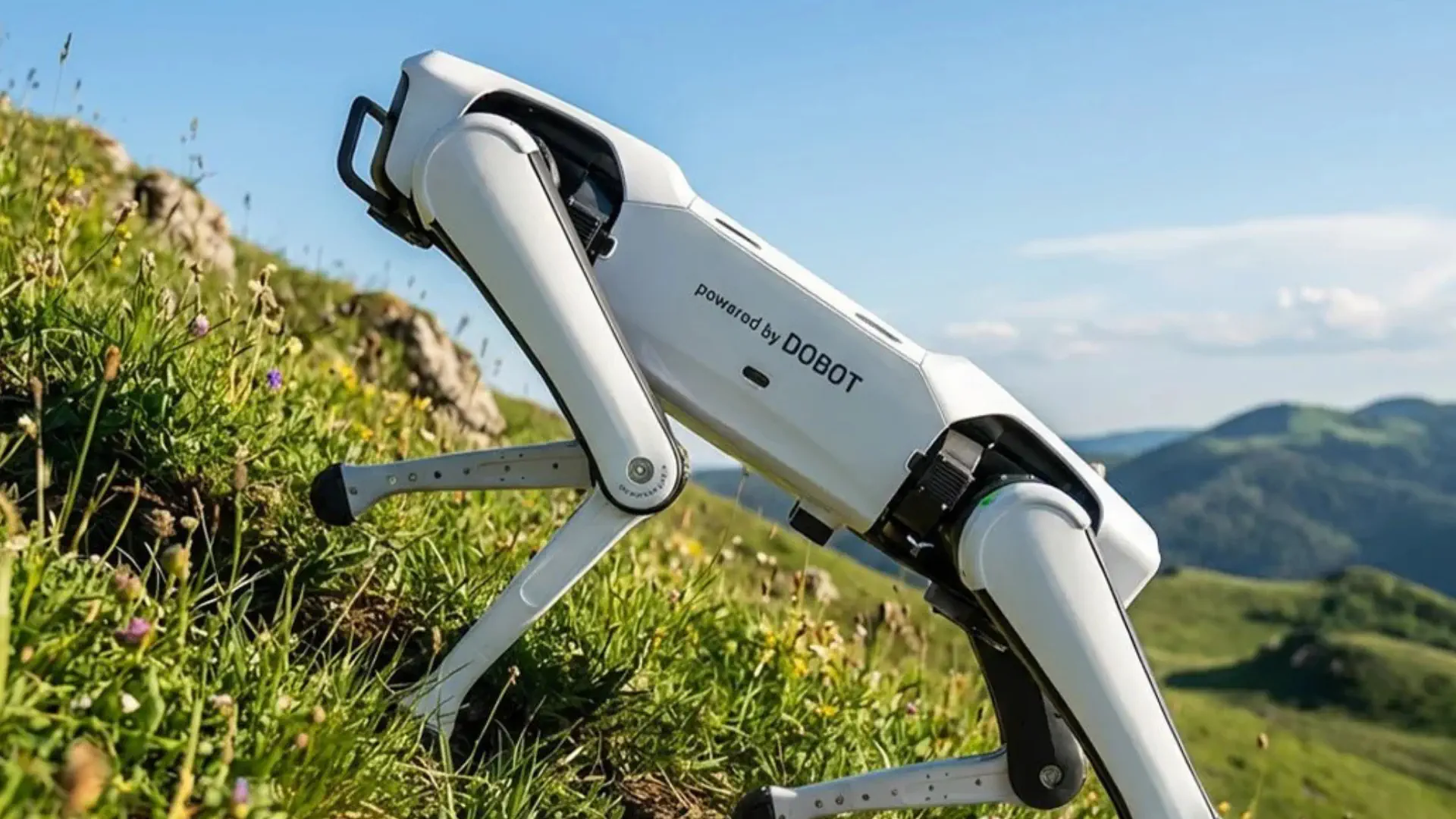
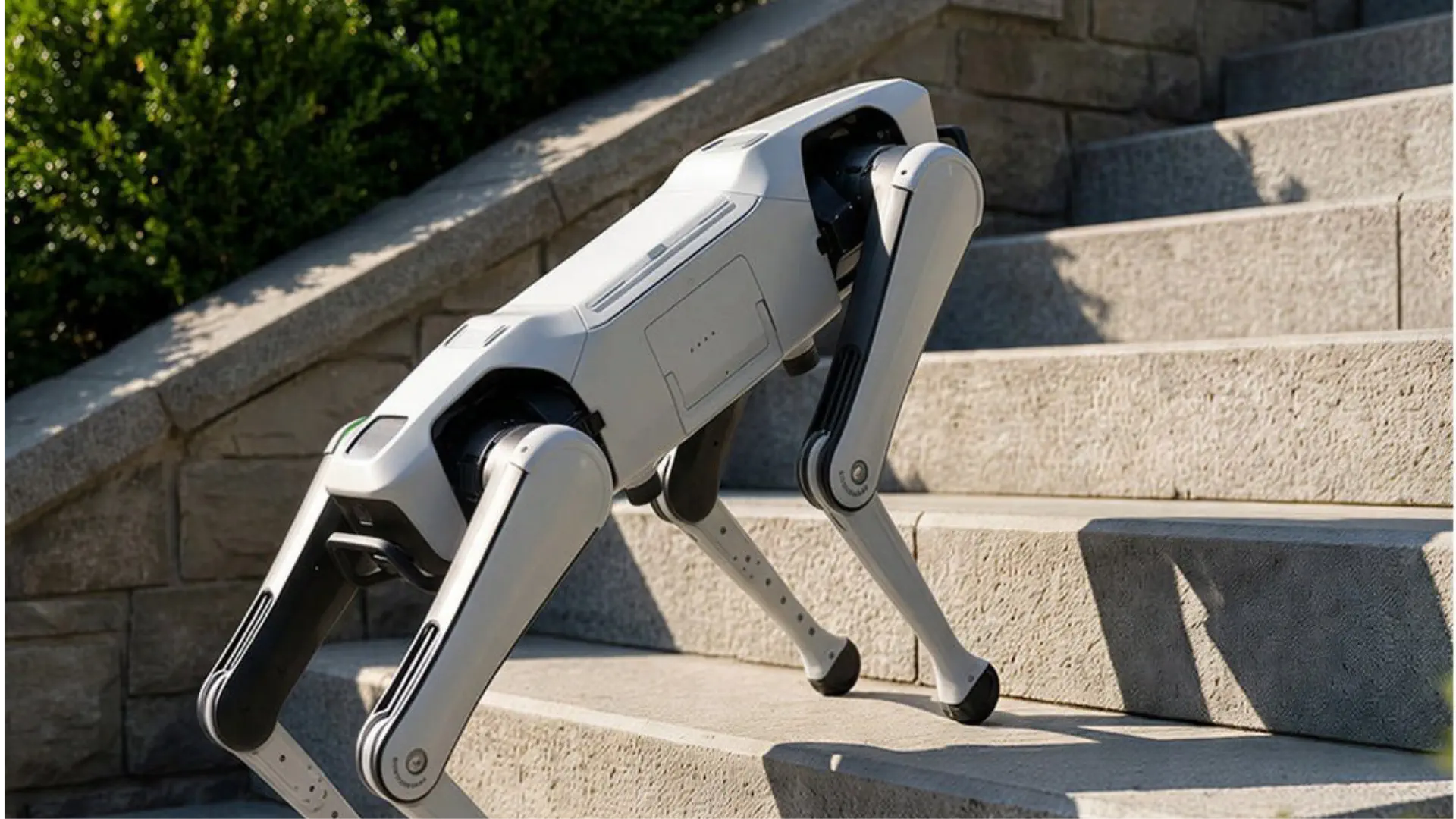

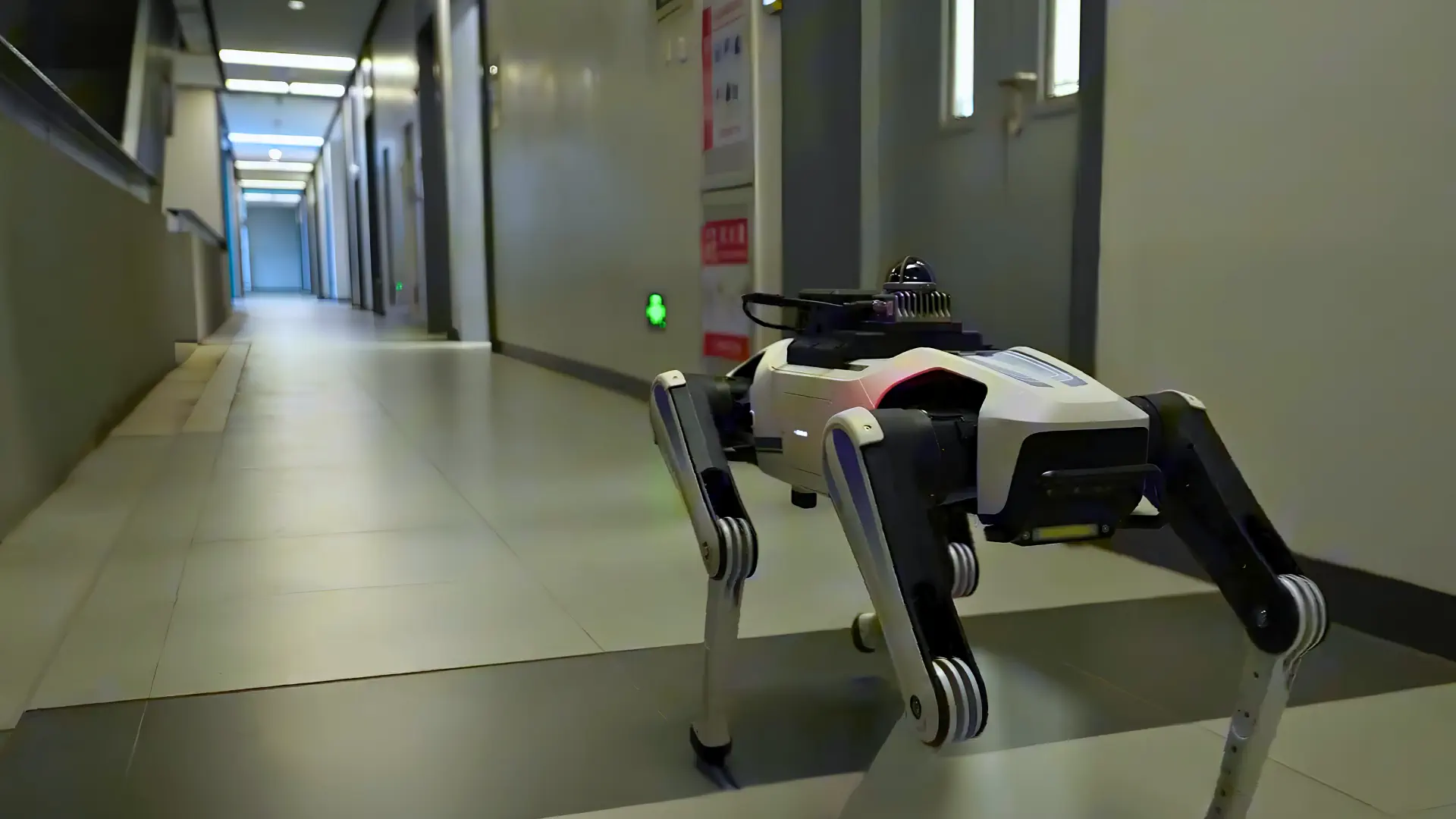
Integrated LiDAR and SLAM navigation let the Sentinel map its surroundings and plan paths autonomously in real time, with onboard 40 TOPS compute handling localization and sensor fusion for fully untethered operation. Visual following and bidirectional obstacle avoidance underpin safe movement around people.

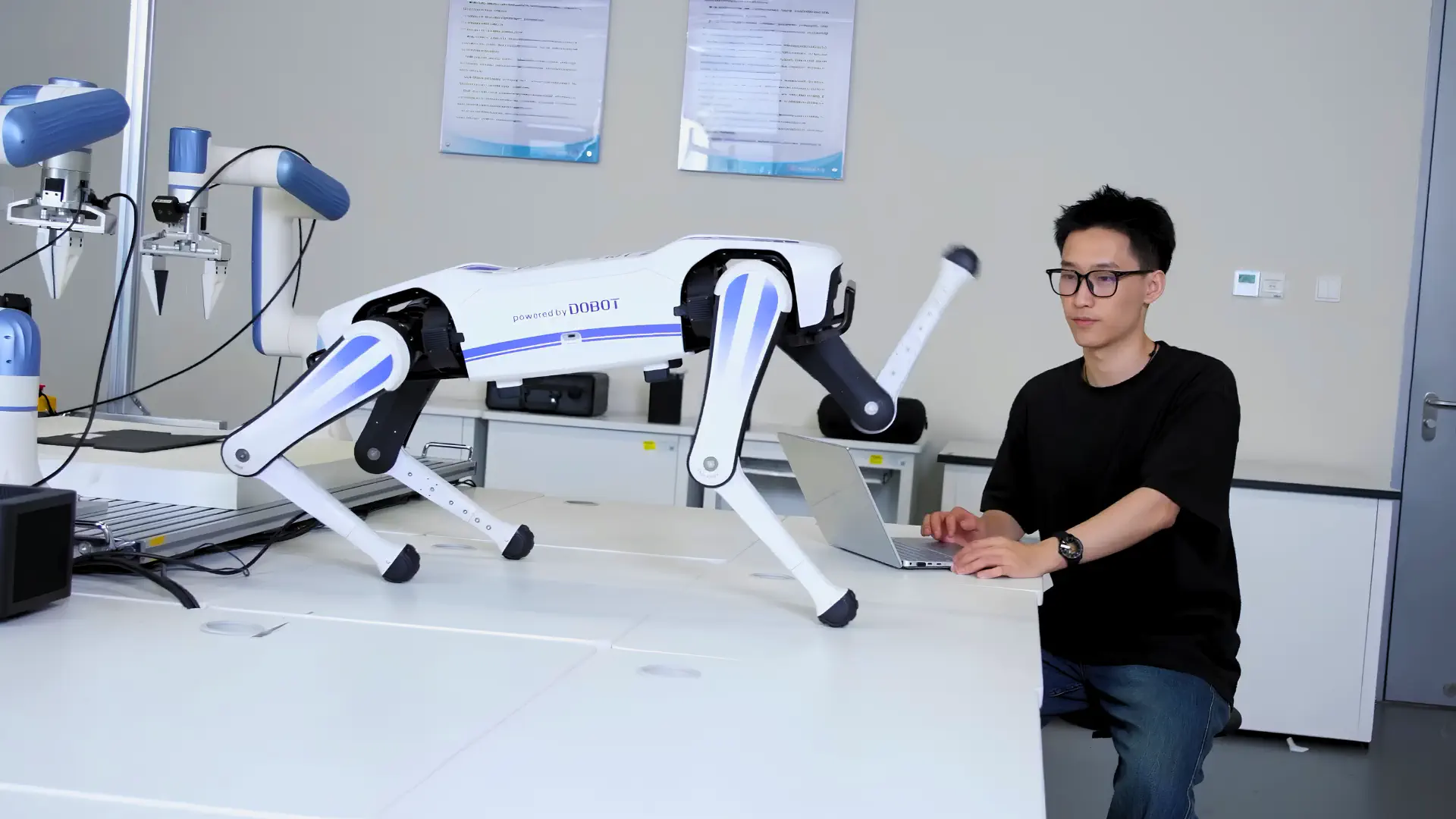
C++ and Python SDKs expose high-level motion control and low-level joint interfaces, while the Enhanced Camera + LiDAR SDK provides unified access to visual, depth, and LiDAR data streams — covering speed control, gait switching, raw IMU, and MIT-style torque commands.

An Isaac Gym simulation environment is provided out of the box, enabling reinforcement learning experiments and motion algorithm validation before deployment on the physical robot. Motion and navigation application examples are also included to accelerate research workflows.

A modular camera mount and multiple expansion interfaces allow researchers to attach additional sensors and custom payloads to the platform. This makes the Explorer compatible with a wide range of experimental configurations and development needs.
| • | Explorer Sentinel Bionic Quadruped Robot |
| • | Default Leg Modules (4 pc) |
| • | Bluetooth Remote Controller |
| • | Charging Dock |
| • | High-Capacity Battery Pack |
| • | Intel RealSense D435i |
| • | Enhanced Camera + LiDAR SDK |
Package contents vary by configuration.
| • | 18.5 kg |
| • | 761 x 372 x 428 mm |
Values shown are from the manufacturer's reference.
| • | LiDAR included with full SLAM navigation support |
| • | 40 TOPS onboard compute (Orin Nano) |
| • | Dual built-in + Intel RealSense D435i |
| • | Enhanced Camera + LiDAR SDK included |
| Explorer | Explorer Vision | Explorer Sentinel | |
| Product Type | Bio-Inspired Quadruped Robot | Bio-Inspired Quadruped Robot | Bio-Inspired Quadruped Robot |
| Battery Capacity | 4000 mAh | 8000 mAh | 8000 mAh |
| Battery Configuration | Standard | Extended | Extended |
| Operating Time | Approx. 1.5 hrs | Approx. 2.5 hrs | Approx. 2.5 hrs |
| Max Speed (Legged) | 1.8 m/s | 1.8 m/s | 1.8 m/s |
| Max Speed (Wheeled) | 3.0 m/s | 3.0 m/s | 3.0 m/s |
| Climbing Ability | 30 to 35-degree slopes | 30 to 35-degree slopes | 30 to 35-degree slopes |
| Obstacle Clearance | Up to 16 cm | Up to 16 cm | Up to 16 cm |
| Effective Payload | 3 to 7 kg | 3 to 7 kg | 3 to 7 kg |
| Weight | 15.5 kg | 18.5 kg | 18.5 kg |
| AI Computing Module | Not included | 40 TOPS (Orin Nano) | 40 TOPS (Orin Nano) |
| RGB Cameras | Front and rear 1080P | Front and rear 1080P | Front and rear 1080P |
| Depth Camera | Dual built-in depth cameras | Dual built-in + Intel RealSense D435i | Dual built-in + Intel RealSense D435i |
| LiDAR | Not included | Not included | Yes |
| SLAM Navigation | Not included | Not included | Yes |
| Camera SDK | Not included | Enhanced Camera SDK | Enhanced Camera + LiDAR SDK |
| AI Voice Interaction | Yes | Dual-language | Dual-language |
| Autonomous Following | Yes | Yes | Yes |
| Obstacle Avoidance | Yes (bidirectional, auto-braking) | Yes (bidirectional, auto-braking) | Yes (bidirectional, auto-braking) |
| App Control | Wi-Fi / 4G | Wi-Fi / 4G | Wi-Fi / 4G |
| OTA Updates | Supported | Supported | Supported |
| SDK Support | C++ / Python SDK | C++ / Python SDK | C++ / Python SDK |
| Simulation Environment | Isaac Gym | Isaac Gym | Isaac Gym |
| Secondary Development | Supported | Supported | Supported |